
Visitors to Montgomery can explore Alabama’s rich history at a museum that showcases artifacts, documents, and exhibits from early Native American cultures to modern times. The Museum of Alabama presents the state’s culture, politics, and everyday life through carefully curated displays and educational programs.
Creation and Location of the Museum
The museum was created to preserve Alabama history and educate citizens. It opened in Montgomery, the state capital, to be close to government and schools. The building is large and modern, with many rooms for exhibits. Staff work hard to collect old objects, papers, and photos from all over the state.
The museum holds both permanent and temporary exhibits. They show Native American life, the Civil War, Reconstruction, and 20th–century history. Each exhibit explains a time period, people, and events. The museum also hosts research materials for historians and students.
Key facts about creation and location:
- Located in Montgomery, the state capital.
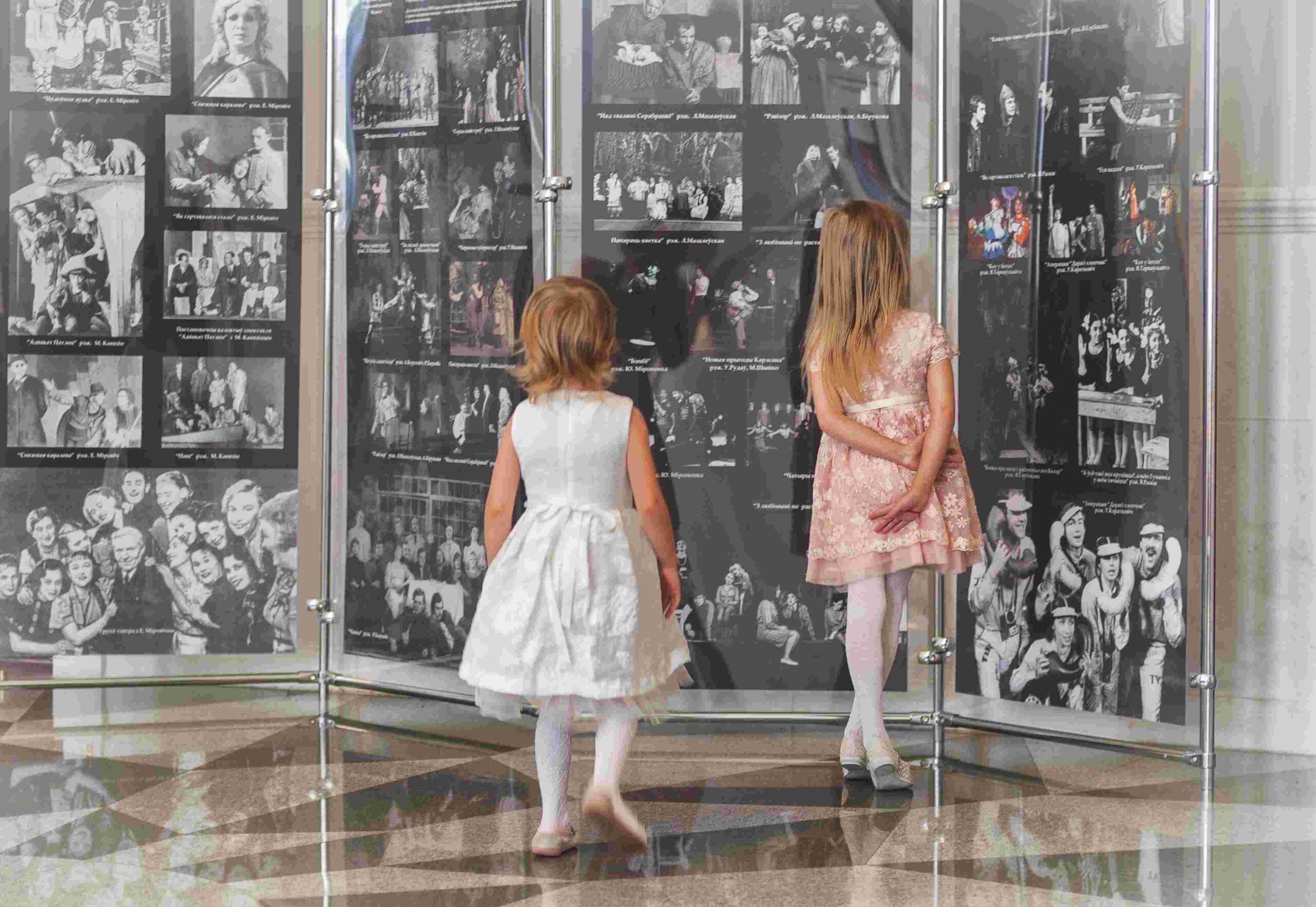
- Opened to preserve and teach Alabama history
- Large building with multiple exhibit rooms.
- Holds permanent and temporary exhibits
- Collects artifacts, documents, and photos from across the state.
It becomes a place for learning and reflection. People come to understand the state’s story, see how events change society, and explore culture. The museum is central for public education and appreciation of Alabama’s past.
Museum of Alabama Exhibits and Collections
The Museum of Alabama has many exhibits. They cover history from the earliest Native American tribes to modern events. Visitors can see tools, clothes, and art from the first people in the region. There are displays about European settlers, farms, and towns. The Civil War and Reconstruction are also shown with artifacts and documents.
Collections include coins, furniture, clothing, weapons, and letters. Some objects are ancient, and some are from recent years. Staff work with donors and historians to collect rare items. Some exhibits are interactive–visitors can touch replicas, listen to stories, or watch videos.
Highlights of main exhibits and collections:
- Artifacts from Native Americans and early settlers
- Civil War and Reconstruction documents and items
- 20th–century Alabama culture and industry
- Coins, furniture, clothing, weapons, and letters
- Interactive displays for education and engagement
The museum carefully arranges exhibits to show the story of the state. People learn not only dates or names but also life experiences of past generations. Students, researchers, and tourists use the museum to understand Alabama better. Collections help states preserve memory and educate next generations.
Museum of Alabama: Preserving State History
The Museum of Alabama plays a big role in keeping state history. It collects, protects, and shows objects and documents from the past. Without museums, we risk losing many important items and stories. It is a center for understanding the people, events and culture of Alabama.
The museum works with schools, universities, and historians. They provide access to collections for study and research. Students learn about Native Americans, the Civil War, Reconstruction, and modern society. Teachers use exhibits for lessons and projects. Researchers uncover rare artifacts and documents for books and articles.
Museums also organize programs for the public. People attend lectures, workshops, and guided tours. These programs show history in a clear and fascinating way. Exhibits and programs help all ages understand events and the importance of preserving heritage.
Key roles in history preservation:
- Collect and protect artifacts and documents.
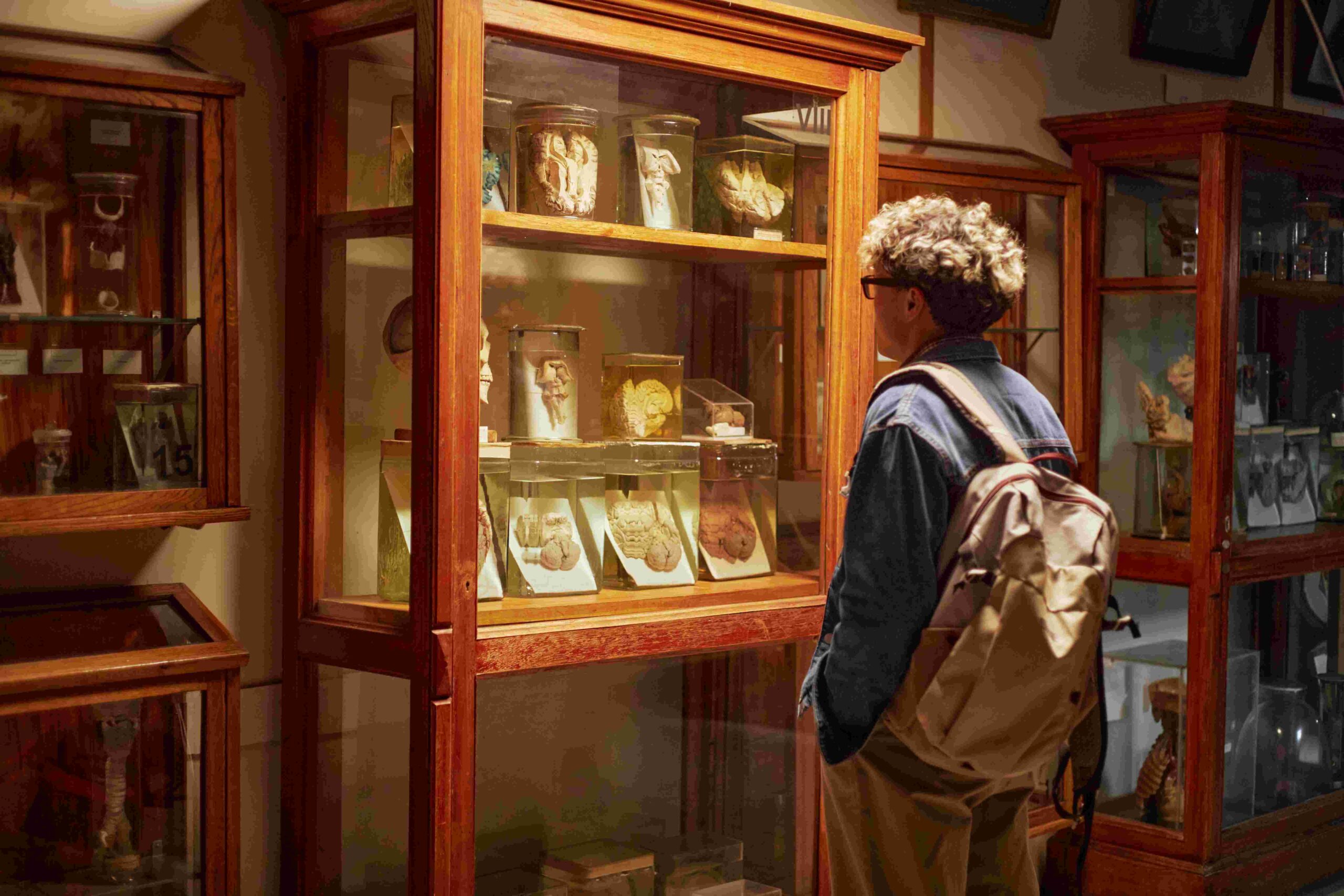
- Support education for students and teachers.
- Provide resources for historians and researchers.
- Organize public programs, tours, and lectures.
- Raise awareness about Alabama’s cultural and historical heritage.
By preserving items and telling stories, museums keep memory alive. It helps society learn from the past, appreciate culture, and understand changes in state. A museum is a bridge between history and the present. Visitors leave with better knowledge about Alabama and its people.
Educational and Cultural Programs
There are many cultural and educational programs at the Museum of Alabama. People who come can participate in workshops, lectures, and guided tours. Schools often take kids to see exhibits and do things. History, science, and local culture are the main topics of the programs.
Special events celebrate Alabama traditions, music and art. The museum also puts on temporary exhibits on certain subjects. People can talk to each other, ask questions, and learn about the state’s stories in an intriguing way.
Educational and cultural activities include:
- Students and the public can participate in workshops and lectures.
- There are also guided tours available for both permanent and temporary exhibits.
- There are also special events that focus on history, art, and culture.
- Interactive programs for all ages.
- Collaboration with schools and universities.
These programs make museums alive and help the community learn history actively.